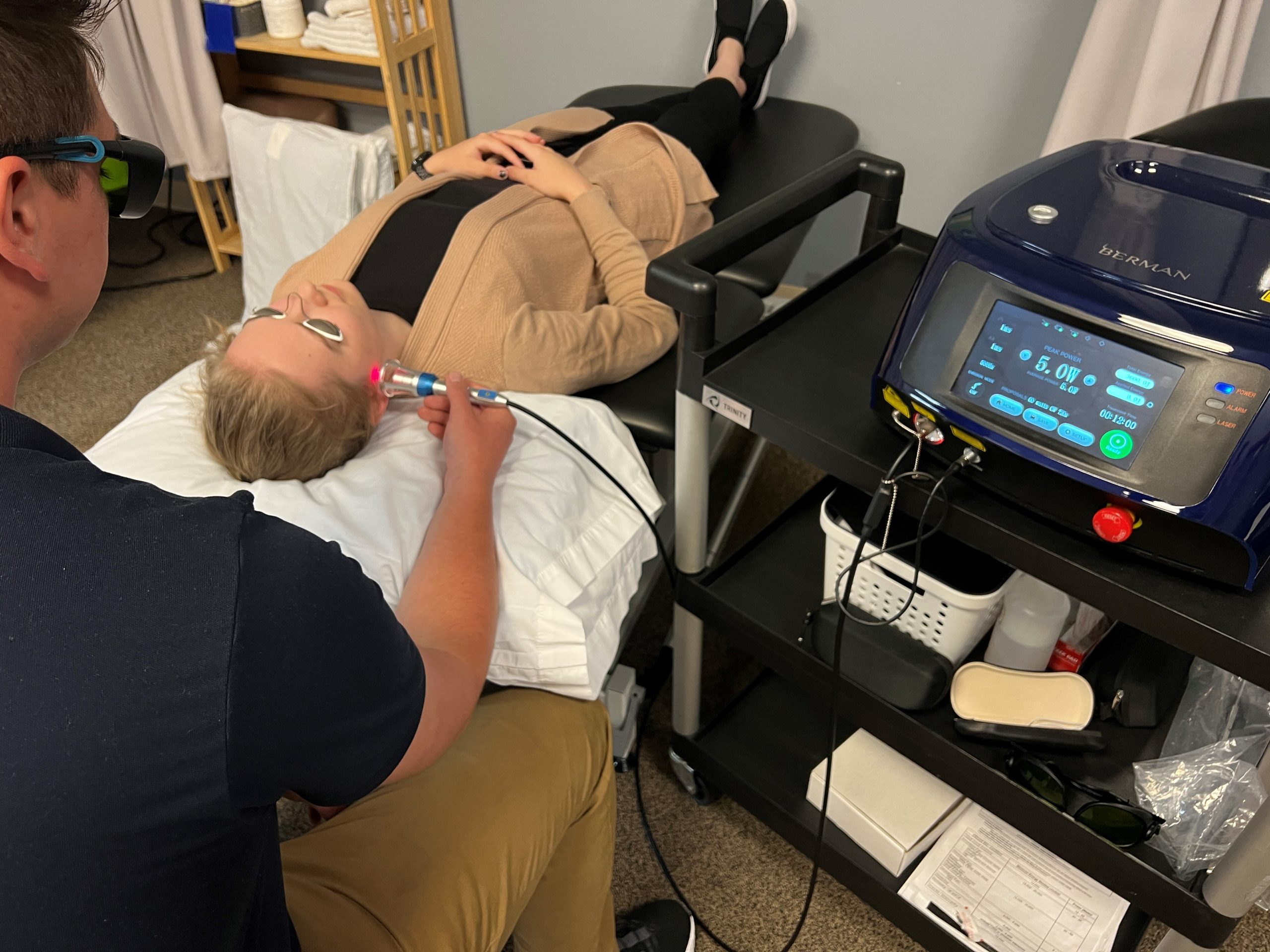
Recently, Class Four laser therapy has come forth as a significant advancement in veterinary medicine, offering cutting-edge solutions for pain management, healing wounds, and comprehensive animal care. This technology leverages the power of powerful laser beams to go deep into deep into tissues, promoting faster recovery times and enhanced relief from various conditions faced by pets and horse alike. As veterinarians look for effective treatments that boost patient outcomes, the popularity of Class 4 laser therapy devices keeps to grow, changing the way healthcare professionals manage both acute and chronic ailments in animals.
Picking the right Class 4 laser therapy device can be a difficult task, given the myriad of options available in the market. With various models boasting distinct features, understanding what to look for is crucial for any veterinary practice. From output strength to portability, and multiple safety features, there are key considerations that can affect the effectiveness and ease of use of these devices. As we explore the world of Class 4 laser therapy, we will explore important factors such as wavelength choice, adjustable power settings, and the significance of FDA clearance, helping you to make a well-informed choice that matches with your clinical needs and ensures the best care for your beloved patients.
Key Features of Class 4 Laser Therapy Devices
Class 4 laser therapy devices are designed with multiple key features that enhance their effectiveness for veterinary use. One of the most important factors is power output. Class 4 lasers generally have a power output of over 0.5 watts, which allows for deeper tissue penetration and faster treatment times. This high power enables effective pain management and promotes healing, therefore it's crucial for practitioners to choose devices that offer adjustable power settings, allowing tailored treatments for various conditions.
Wavelength is another key aspect to consider when choosing a Class 4 laser therapy device. Different wavelengths target specific tissue types and conditions, with certain wavelengths providing better absorption in either superficial or deeper tissues. For instance, wavelengths in the range of 800 to 1000 nanometers are often suitable for penetrating deeper tissues, while shorter wavelengths may be more effective for surface tissues and inflammation. Understanding the significance of choosing the appropriate wavelength can significantly influence treatment outcomes.
Portability is also an important feature to evaluate when deciding on a Class 4 laser therapy device. While stationary units can provide enhanced power and stability, portable options allow for flexibility in treatment locations, such as during field veterinary visits or in multi-practice setups. Ultimately, the choice between portable and stationary systems depends on the particular needs of the veterinary practice and the variety of applications the device will serve, highlighting the importance of aligning the device's capabilities with the practitioner’s requirements.
Safety and Adherence in Laser Treatment
When choosing a Class 4 laser therapy device for veterinary use, safety and compliance are essential considerations. These devices must adhere to rigorous standards set by governing bodies such as the Food and Drug Administration to ensure they operate safely and effectively. A device that has obtained FDA clearance demonstrates that it has been thoroughly tested for safety and effectiveness, providing reassurance for vets and animal caregivers alike. Grasping the categories of lasers is crucial, as Class 4 lasers can pose risks if not used correctly, hence the importance of protection features is crucial in the choosing process.
Protective features to look for include emergency shut-off switches, proper labeling for eye protection, and built-in safety interlocks. These features help minimize the likelihood of accidental exposure to laser radiation, which can cause injury to both pets and people. Additionally, adherence with safety regulations means that the device is designed to operate within defined parameters that safeguard users and clients. Manufacturers should provide concise guidelines and training on the proper use of their devices, helping new operators avoid mishaps and ensure optimal treatment outcomes.
Furthermore, ongoing training and certification from the manufacturer can enhance protection and compliance efforts in animal care settings. This support equips veterinarians with essential knowledge regarding best practices in laser use, treatment protocols, and patient care. Staying up-to-date with regulatory requirements and technological advancements not only ensures compliance but also fosters trust in laser therapy as a reliable treatment modality. By emphasizing safety and compliance, veterinarians can assuredly harness the advantages of Class 4 laser therapy for enhanced patient outcomes.
Selecting the Best Class 4 Laser for Veterinary Use
When selecting a Class 4 laser for animal applications, it is crucial to take into account the particular needs of the clinic. Distinct animals and conditions may require varied approaches in treatment, so selecting a device that delivers versatility for different clinical applications will boost its usability. Look for a device that includes pre-programmed programs tailored for various types of ailments, ensuring that your staff can quickly adapt the laser therapy to specific patients.
The power output and wavelength of the laser are critical factors affecting treatment outcomes. A device that functions within the best range for deep tissue penetration will successfully address pain and inflammation. It's crucial to understand how the selected wavelength works with different tissue types, as this can significantly enhance the quality of treatments, especially in conditions such as osteoarthritis or soft tissue injuries. Make portable Class 4 lasers that the laser offers adjustable power settings to tailor treatments according to the particular needs of each specific animal.
Ultimately, consider the ergonomics and ease of use of the device. A lightweight laser may be beneficial for on-the-go veterinary practices or those needing to treat heavy animals. Likewise, verify that the manufacturer offers adequate training and support to assist your team become adept in operating the equipment. Reliability and customer support are vital, so pay attention to warranties and service agreements, which will contribute to the device's longevity and utilitarian value in your veterinary practice.